Is this a slice of heaven or what?

Opapiskaw Rapids

on the Winnipeg River near Lac du Bonnet, MB (the locals say lac du bonny)

The river was higher than usual, so the rapids were fairly submerged.

Common Yarrow (Achillea millefolium)

So very peaceful.

I think this is Alumroot (Heuchera richardsonii).

Did I say it was a most peaceful, still evening....???

And what Canadian lake, river or stream is complete without our national animal Castor canadensis

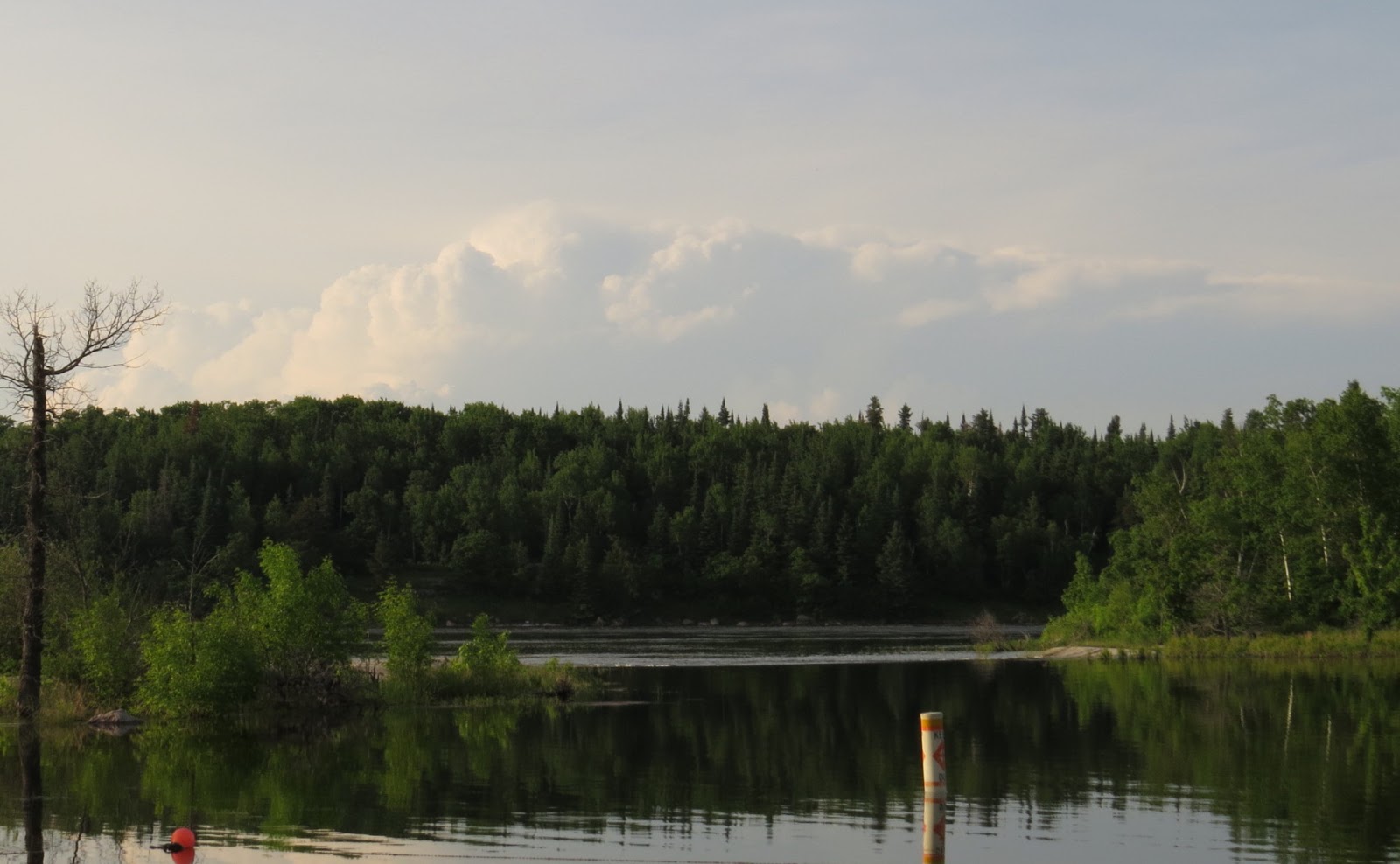
A storm advancing? Yes, this is part of the storm system that caused flooding in Alberta, dumped a lot of rain over Southern Saskatchewan and Manitoba....with more to come. But, I didn't know about all that. I'd been in the woods for a few days, completely oblivious of what was going on in the rest of the world. Switched off and tuned out. So nice.

A Canadian Tiger Swallowtail (Papilio canadensis) also enjoying the simple and very natural life.

This particular bit of serenity was courtesy of Opapiskaw Campground in Manitoba's Whiteshell Provincial Park.

Thanks, Manitoba. I'll be back.
Where is it?


on the Winnipeg River near Lac du Bonnet, MB (the locals say lac du bonny)

The river was higher than usual, so the rapids were fairly submerged.

Common Yarrow (Achillea millefolium)

So very peaceful.

I think this is Alumroot (Heuchera richardsonii).

Did I say it was a most peaceful, still evening....???

And what Canadian lake, river or stream is complete without our national animal Castor canadensis

A storm advancing? Yes, this is part of the storm system that caused flooding in Alberta, dumped a lot of rain over Southern Saskatchewan and Manitoba....with more to come. But, I didn't know about all that. I'd been in the woods for a few days, completely oblivious of what was going on in the rest of the world. Switched off and tuned out. So nice.
A Canadian Tiger Swallowtail (Papilio canadensis) also enjoying the simple and very natural life.

This particular bit of serenity was courtesy of Opapiskaw Campground in Manitoba's Whiteshell Provincial Park.

Thanks, Manitoba. I'll be back.
Where is it?


